
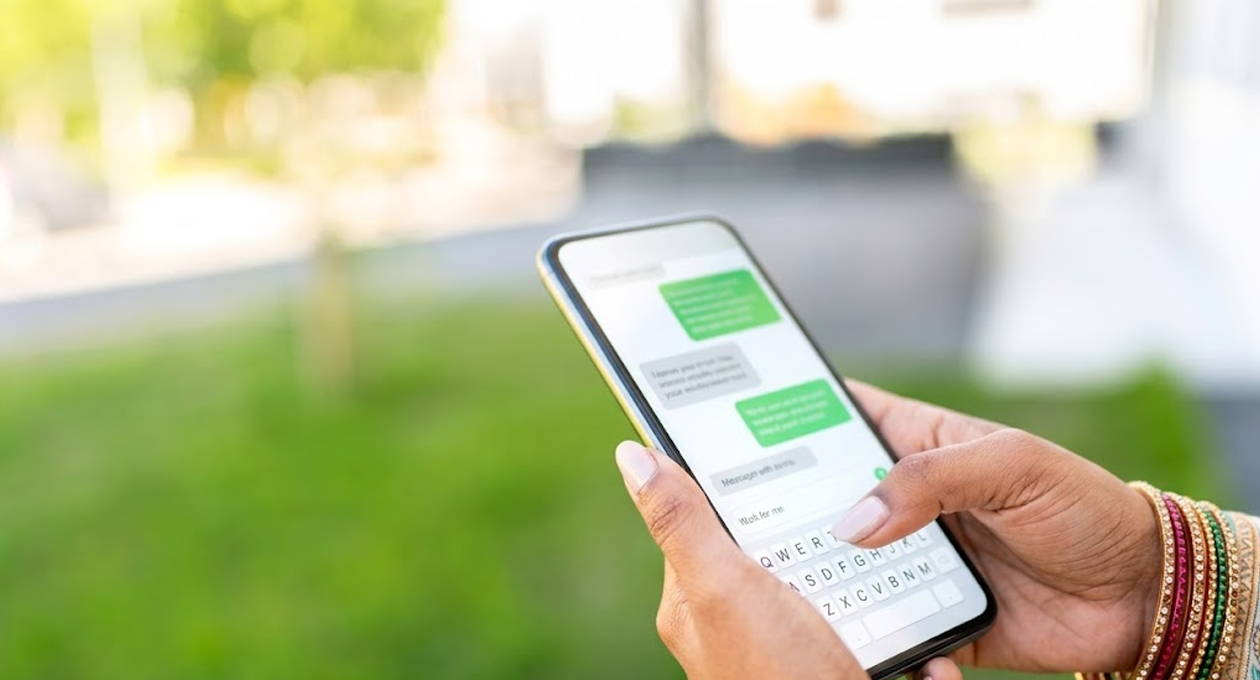
What Are the Benefits of Bulk SMS for Public Utility Services?
There will be an interruption in the water supply schedule for tomorrow morning. The authorities and the staff know, but the 40,000 people who rely on this water don't. Half of them will be in front of their taps until the information reaches the citizens through TV channels and social media. This is not a planning glitch but a communication glitch, and one that is repeated daily by our public utilities.
The problems faced by public utilities in handling water supplies, power distribution, waste management, transportation services, or city management remain the same across all public utility companies. Public utilities need to communicate with everyone, including non-subscribers. The audience spans different ages, financial statuses, language backgrounds, devices, and internet capabilities. There is only one mode of communication that can address all of these audiences instantly and at once – bulk SMS messaging .
Why Bulk SMS Is the Right Channel for Public Utilities
The public utility messaging has some requirements that regular marketing-oriented messaging software can hardly cater to. The message should reach the user irrespective of their internet connection status. The message needs to be sent instantly in case of urgency. The messaging tool should work on all kinds of mobile phones, even those basic phones that a good number of Indians use. Also, it should be cost-effective enough to be scaled up on a massive level.
This is where Bulk SMS comes into play. With an open rate of 98% and the message being read within three minutes of its delivery, the SMS proves superior to emails, social networks, and even the alerts from apps in terms of the urgent nature of communication that the utilities require. If there is an email regarding any interruption in the supply of power, then it will reach only those who check their emails before the event actually occurs.
Key Benefits of Bulk SMS for Public Utility Services
Emergency Alerts and Disaster Communication
In the event of emergencies, the speed of communication is crucial for ensuring the safety of all the parties involved. In bulk SMS , public utility firms can quickly connect with thousands or millions of individuals in real-time, without needing any internet connection, application installation, or broadcast through media.
Bulk SMS uses in emergency communications involve:
- Immediate dissemination of flood, cyclone, and severe weather warnings to citizens in danger zones
- Informing citizens of water contamination with immediate measures to be taken
- Informing customers of the unplanned power outages and probable times of recovery
- Notifying drivers about road closures and detours in case of any accidents or infrastructure failure
- Instructing evacuations in case of any industrial emergencies or natural calamities
With the power to send a message to a complete city in under a minute, nothing compares to the efficiency of the medium in terms of cost-effectiveness and reliability.
Scheduled Maintenance and Service Disruption Notices
If residents have prior knowledge about the planned maintenance with sufficient time to prepare, then there will be minimal disruption in their daily lives. An SMS notification, one day before and two hours before the planned water or power outage, eliminates frustration from the residents and minimizes complaints by the utility company regarding the disruption.
An effective maintenance SMS includes:
- Nature and the location of the disruption, so that the residents can identify what the disruption is about
- Timing of the disruption (start time and expected duration of disruption)
- Actions that must be taken by the residents before the disruption happens
- Emergency contact number
By implementing such a strategy before every disruption, there will be a marked increase in residents' trust and confidence in the utility company's efficiency.
Payment Reminders and Bill Notifications
Utility payments constitute one of the most recurrent challenges faced by organizations in the public sector. Manual billing, delays in notification transmission, and a high customer volume hinder consistent follow-ups in the absence of an automated system. This problem can be effectively addressed using bulk SMS services .
In the case of utility payments, the following sequence can be automated:
- Notification of the generation of bills with the amount payable and the date of payment
- Notification seven days prior to the due date for payment to allow citizens sufficient time to plan their payments
- Notification on the due date with instructions on how to pay
- Immediate confirmation of payments via SMS
This would help minimize bill non-payment, disconnections, and the time spent on manual follow-ups.
Public Awareness and Government Scheme Communication
The Indian government operates several schemes for welfare, health, agriculture, and social security. However, the key issue is not about designing a good scheme but delivering accurate and timely information to the target audience in a language and manner that will compel them to respond.
With bulk SMS technology, public authorities can engage in effective mass communication in the following situations:
- Criteria for joining new welfare schemes and deadlines for applying for them
- Timetable for vaccination drives and locations of health camps
- Last date for crop insurance, weather updates, and subsidy distribution notifications
- Deadlines for registering voters and information on voting booths
- Campaigns on sanitation, hygiene, and environment with regional specificity
The flexibility to personalize the message by including the recipient's name, village, district, and scheme details helps to convert mass communication into one-to-one engagement. This is critical in the public sector, where skepticism towards widespread government announcements is known to be an obstacle to participation in schemes.
Document and Application Process Updates
Government offices and public institutions handle huge volumes of application forms, registrations, and verifications in various government offices such as passport offices, municipal corporations, employment exchange offices, and land records offices. Communicating with applicants on all stages of their process keeps them from coming back again and again to the office premises and also decreases their frustration and calls to government offices.
Integration of Bulk SMS API into the application management system automatically generates alerts for:
- Application status confirmation with a reference number immediately upon application
- Document verification appointment alert, along with a required document checklist
- Status confirmation on all stages of the application process
- Approval/rejection alert with details regarding next process steps
- Instructions about the collection/delivery of documents ready to be collected
The experience of a passport applicant receiving an alert about their appointment, reminding them about the appointment on the previous day, and notifying them about their passport being ready differs completely from the experience of someone needing to make three phone calls to the helpline number for the same reason.
Internal Staff and Field Force Communication
The big utilities have many field staff, technicians, and office staff members, all operating in different locations. Emailing is not a viable option for coordinating such a huge staff because most of these employees are mobile, on-site, and lack constant access to their desktops.
Group messaging services can cater to multiple purposes within organizations, including but not limited to the following:
- Notification of shift rotations or last-minute changes to field staff through their mobile phones
- Deployment instructions to maintenance staff for repairing any fault or outage
- Notifications regarding training sessions and compliance updates for the organization's employees
- Notifications related to payroll, leave applications, etc.
- Alerting messages regarding safety and protocols in case of hazardous conditions
Sending an SMS to the field technician located in a substation works just as well as sending one to an administrator at the headquarters location.
Getting Started with Bulk SMS
Sequence Cloud Gateway offers Bulk SMS solutions to public utilities organizations, governmental bodies, and civil entities throughout India. We provide DLT registration services and management of transactional and promotional messages. We also provide Bulk SMS API integration within the application and management systems, setting up the Sender ID, multi-language messaging services, and delivery reports for real-time tracking. This ensures reliable, cost-effective communication solutions for all public bodies of any size in strict adherence with TRAI guidelines.
Conclusion
The provision of public utility services involves a duty that cannot be fulfilled by a private company. This is because all citizens in the service area qualify as stakeholders, even if they have never requested to be contacted; therefore, it is an obligation to communicate with them effectively and promptly, without discrimination.
Bulk SMS service is the best means to fulfill this obligation in the most effective, cost-efficient manner. It ensures that all citizens with mobile phones are reached instantly with the right information.
Frequently Asked Questions
Q: Can public utility organizations send bulk SMS to citizens on the DND list?
Payment reminder messages, emergency messages, software updates, and disruption notifications are sent to DND-registered numbers since they directly benefit the citizen. Scheme-awareness and outreach campaign-related promotional messages are not sent to DND-registered numbers.
Q: Is DLT registration required for government and public sector SMS?
Yes. The regulation from TRAI is mandatory for all commercial institutions that use bulk SMS. If any message comes from an unregistered party, it will be blocked at once and will never reach its recipient.
Q: Can bulk SMS be sent in regional languages for rural outreach?
Yes. The bulk SMS service is capable of sending messages in the Unicode script for languages like Hindi, Tamil, Telugu, Bengali, Marathi, Kannada, Malayalam, and several others that are spoken in India.
Q: How quickly can an emergency alert SMS reach an entire city?
The bulk SMS sending process to any number of contacts can be started immediately. The delivery process for each contact usually takes two to five minutes, making it the fastest mode of mass emergency communication.
Q: Can the bulk SMS API integrate with existing government management systems?
Yes. API integration links pre-existing application tracking, billing, or citizen management systems to the SMS system, allowing SMS messages to be sent automatically when certain events occur.